
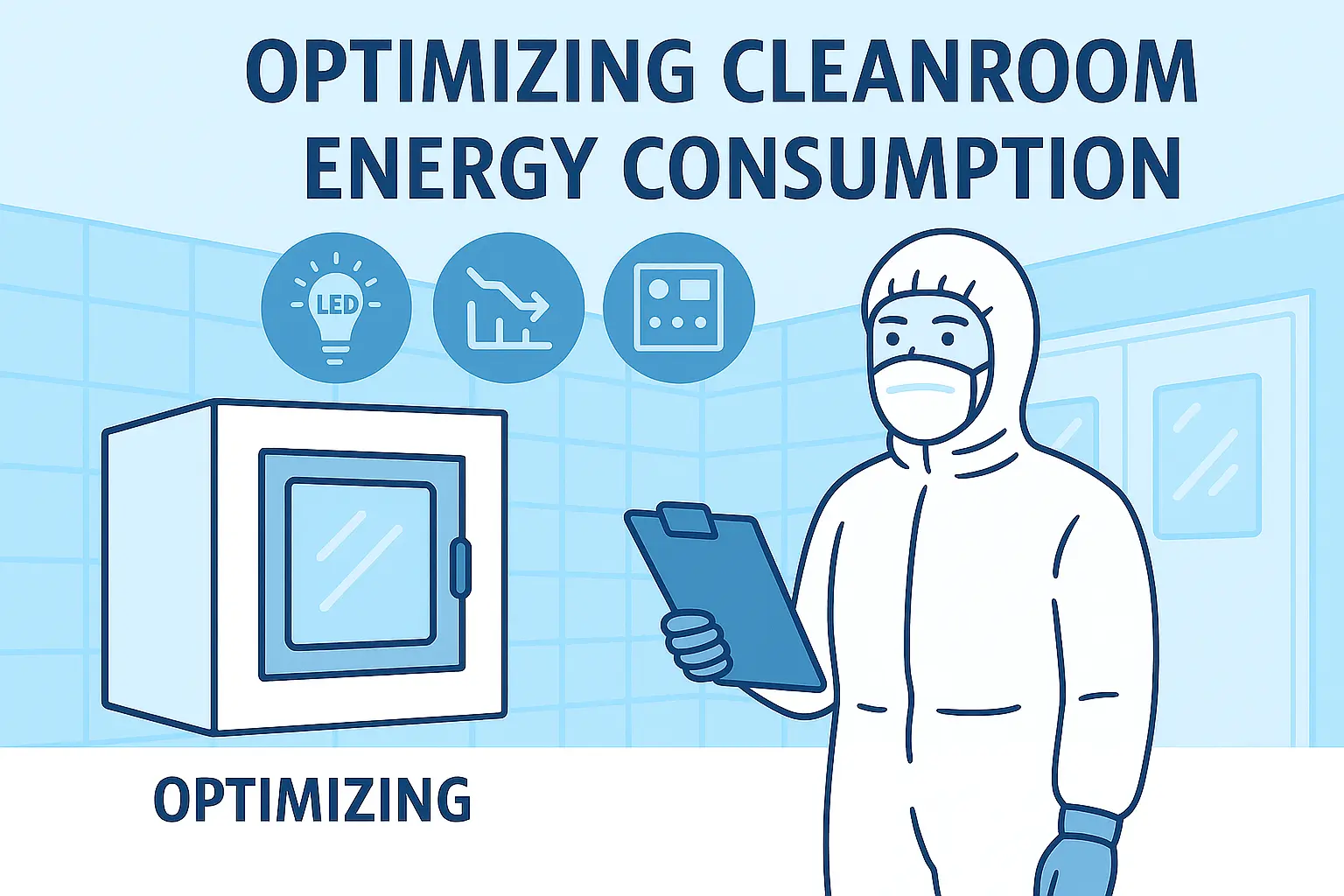
Optimizing Cleanroom Energy Consumption: A Guide for Pharmaceutical Manufacturing
Pharmaceutical cleanrooms are notoriously energy-intensive environments, often consuming 5-10 times more energy per square foot than conventional manufacturing spaces. With rising energy costs and increasing pressure to reduce carbon footprints, optimizing cleanroom energy consumption has become both an environmental priority and a significant cost-saving opportunity.
Understanding Cleanroom Energy Consumption
Before implementing optimization strategies, it's important to understand where energy is consumed in a typical cleanroom:
- •HVAC Systems: Up to 70% of total energy consumption
- •Lighting: 10-15% of energy usage
- •Process Equipment: 15-20% of energy consumption
- •Supporting Systems: Remaining energy for water purification, compressed air, etc.
Key Strategies for Energy Optimization
1. Airflow Management and HVAC Optimization
Significant energy savings can be achieved through strategic HVAC improvements:
- •Implementing demand-based air change rates that adjust based on occupancy and contamination levels
- •Using high-efficiency particulate air (HEPA) filters with lower pressure drops
- •Installing variable frequency drives (VFDs) on air handling units
- •Implementing heat recovery systems to capture and reuse thermal energy
2. Lighting System Improvements
Modern lighting solutions offer substantial energy savings:
- •Replacing traditional fluorescent lighting with LED systems
- •Implementing occupancy-based lighting controls
- •Optimizing lighting schedules based on operational hours
- •Using task-appropriate lighting levels rather than uniform high-intensity lighting
Advanced Technologies for Energy Efficiency
Building Management Systems (BMS)
Advanced BMS platforms can continuously monitor and optimize energy usage in real-time, automatically adjusting systems based on operational parameters and environmental conditions.
Energy Recovery Systems
Technologies like energy recovery wheels and heat exchangers can capture and repurpose thermal energy from exhaust air, significantly reducing heating and cooling demands.
Implementation Approach
A systematic approach to cleanroom energy optimization typically includes:
- •Energy Auditing: Comprehensive assessment of current energy usage patterns and identification of optimization opportunities.
- •Simulation and Modeling: Using computational fluid dynamics (CFD) and energy modeling to validate proposed changes before implementation.
- •Phased Implementation: Prioritizing high-impact, low-disruption improvements that maintain cleanroom compliance.
- •Continuous Monitoring: Establishing systems to track energy performance and identify additional optimization opportunities.
Conclusion
Optimizing cleanroom energy consumption represents a significant opportunity for pharmaceutical manufacturers to reduce operational costs while advancing sustainability goals. By implementing strategic improvements to HVAC systems, lighting, and process equipment, facilities can achieve substantial energy reductions without compromising cleanroom performance or regulatory compliance.
At Terracos, we specialize in designing energy-efficient cleanroom solutions that balance performance, compliance, and sustainability. Contact our team to learn how we can help optimize your facility's energy consumption while maintaining critical quality standards.